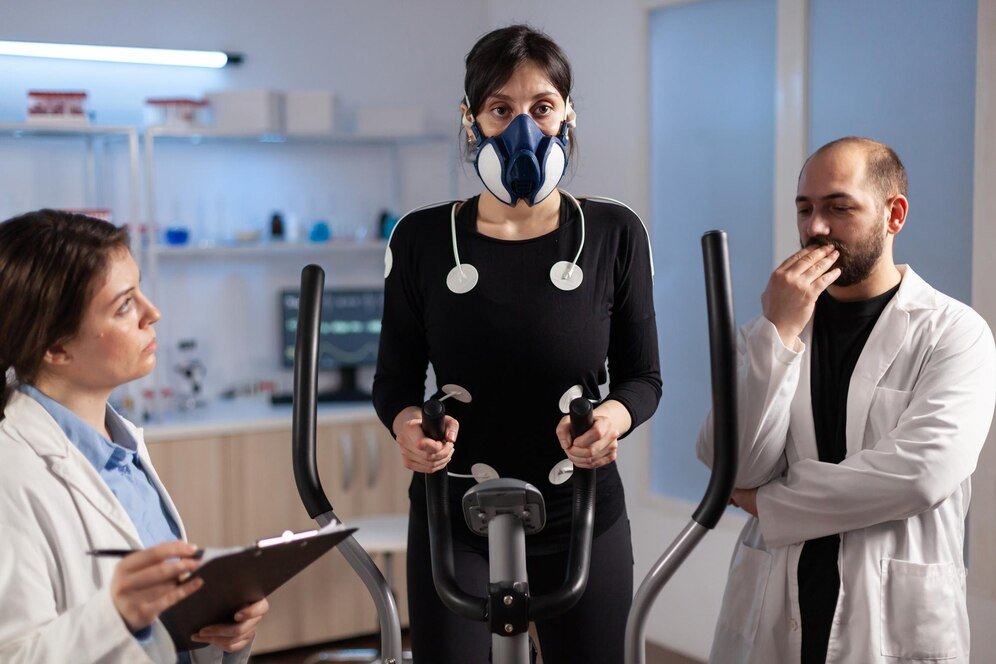
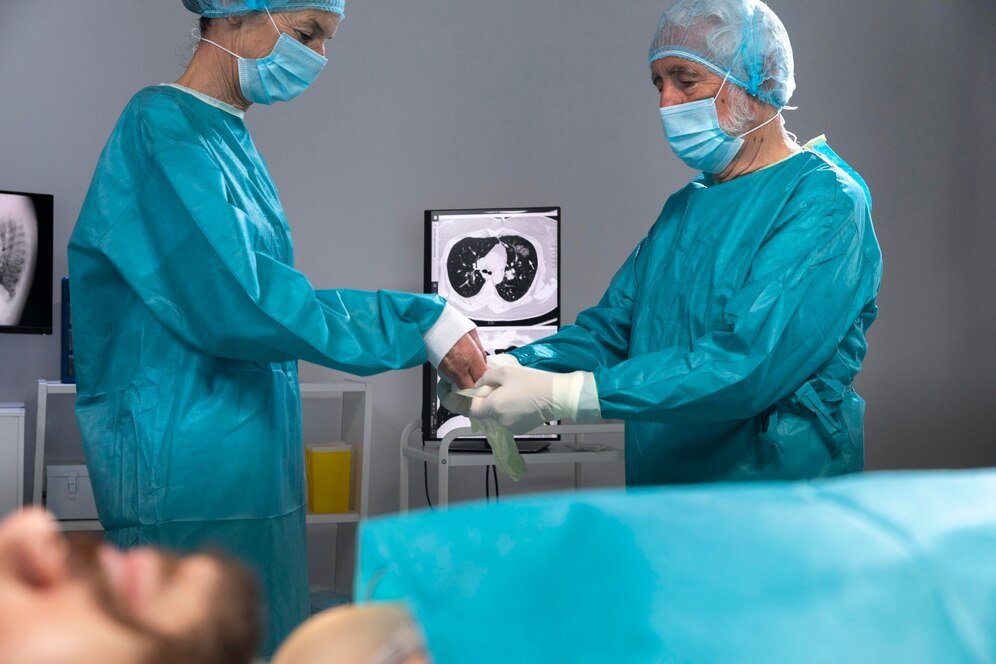
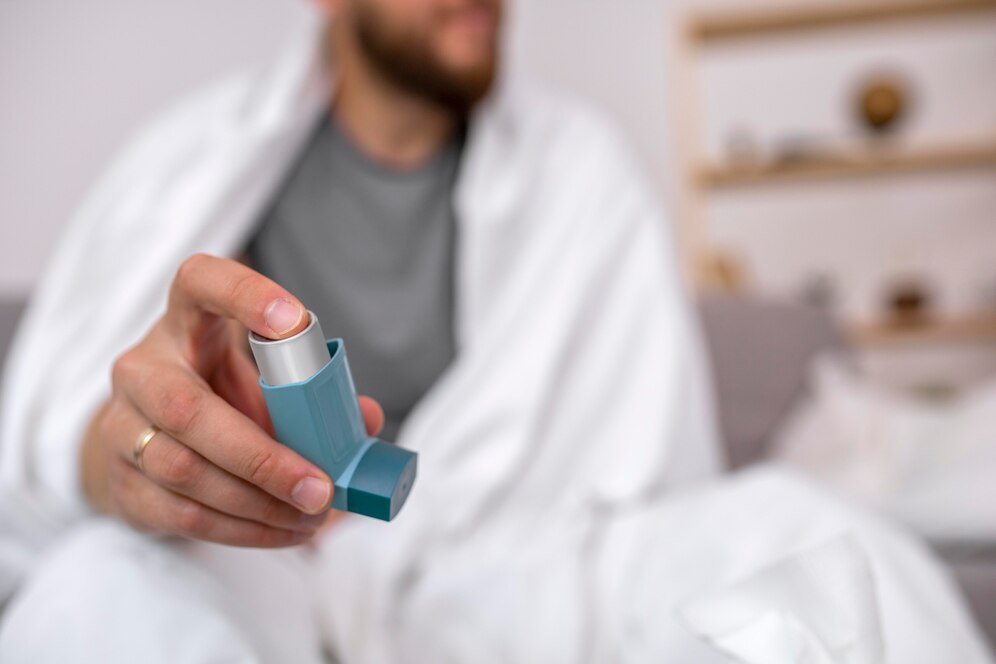
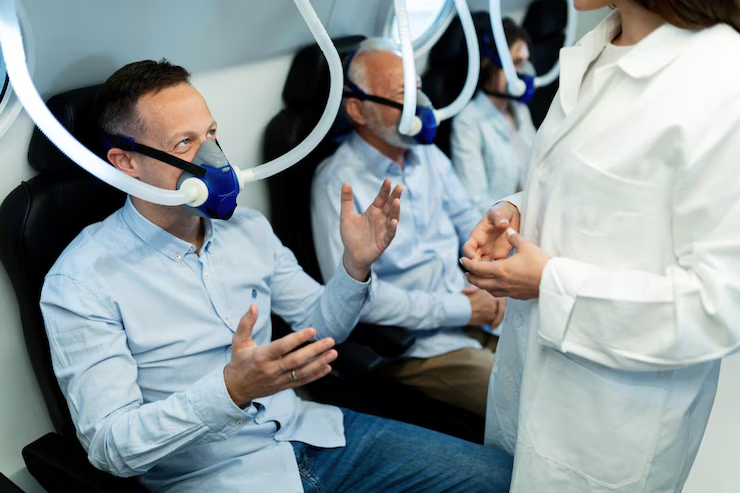
Pulmonary rehabilitation is a comprehensive program designed to help individuals with chronic respiratory conditions, such as chronic obstructive pulmonary disease (COPD), asthma, pulmonary fibrosis, and post-lung transplant recovery, improve their lung function, overall fitness, and quality of life. The program typically involves exercise training, breathing techniques, education, and psychological support. Exercise training focuses on improving endurance and strength, often including aerobic exercises, strength training, and flexibility exercises. Breathing techniques, such as pursed-lip breathing and diaphragmatic breathing, are taught to help reduce shortness of breath and improve lung efficiency. Patients are educated on how to manage their condition through medication adherence, lifestyle changes, and recognizing early signs of exacerbation. Pulmonary rehabilitation also includes nutritional counseling to ensure that patients maintain a healthy weight and proper nutrition, which is crucial for respiratory health. Psychological support helps patients cope with the emotional impact of chronic lung disease, addressing anxiety and depression. This structured program is typically delivered in outpatient settings, and studies have shown that pulmonary rehabilitation can significantly reduce hospital admissions, improve exercise capacity, and enhance the overall quality of life for individuals with chronic lung conditions.



.jpg)
.jpg)
.jpg)